
More of my patients are starting GLP-1 medications, and the first thing I tell them is this: the medication quiets the hunger, but it doesn’t choose your food. What you eat while the appetite is small decides whether you lose fat — or muscle, energy, and ground you’ll have to win back later.
After years of coaching patients through weight loss surgery, I can tell you the eating skills are remarkably similar. Here’s what I work on with my GLP-1 patients:
Protein first, every meal. When you can only eat a little, protein has to come first — it protects your muscle, your hair, and your strength while the weight comes off. Eggs, Greek yogurt, cottage cheese, fish, chicken, and slow-cooked meats are usually the easiest to manage.
Small, slow, and stop at satisfied. GLP-1s slow digestion, so big or rushed meals can mean nausea and reflux. Smaller portions, eaten slowly, with a pause before seconds, keep most people comfortable.
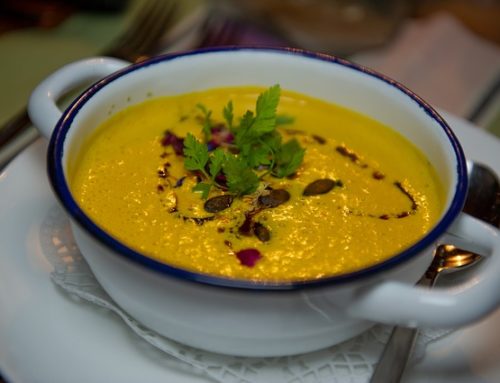
Soft and moist beats dry and heavy. Fried foods, large fatty meals, and dry dense meats are the most common triggers for side effects I hear about. Soups, stews, braises, and foods with a little sauce tend to sit much better.
Hydration and fiber, steadily. Constipation is common on these medications. Fluids through the day and gentle fiber from vegetables, beans, and fruit — as tolerated — keep things moving.
Build the habits the medication can’t. The goal isn’t just a smaller number this year. It’s the plate you’ll still be eating when the prescription ends: protein-forward, produce on the table, and a plan for gatherings and holidays.
If you’re on a GLP-1 — or thinking about starting one — you don’t have to figure out the food side alone. That’s exactly the work I do with my patients, whether they’ve had surgery, are on medication, or both.
Thinking about GLP1 medications? Email me at health@lowkcalgal.com
— Sameera H. Khan, RPA-C, RDN, MBA
Leave A Comment